Many homeowners sign property documents without fully understanding the financial impact. A quitclaim deed seems simple because it transfers ownership quickly and avoids complex paperwork. Many people use it during divorce, family transfers, or estate changes. They believe the process ends once the deed is signed, but the financial reality is very different. This misunderstanding leads to stress they never expected.
This creates a serious question for anyone planning a property transfer. How do you protect yourself from hidden quitclaim deed risks that could damage your credit and future mortgage plans? Most homeowners do not realize that the deed affects title only, not the loan. They also do not know how lender rules shape their long-term responsibility.
This guide explains the dangers of using a quitclaim deed without a complete plan. You learn how the deed affects your mortgage and how to protect your financial future.
Understanding Quitclaim Deed Risks
Many homeowners believe a quitclaim deed is a quick fix during a property transfer, but understanding the risks of a quitclaim deed is essential before signing. The deed transfers ownership, but it does not affect the mortgage. This disconnect creates long-term financial issues that many people discover too late. When you know these risks early, you can protect your credit and future borrowing power.
Here are the most important quitclaim deed risks to understand before making any decision:
- A quitclaim deed transfers ownership but leaves the original borrower responsible for the mortgage
- The lender still holds you liable for payments even if you no longer own the home
- Missed payments damage your credit because your name remains tied to the loan
- Lenders do not accept a quitclaim deed as proof of removal from mortgage responsibility
- Legal agreements often conflict with mortgage contracts and confuse homeowners
- Some people lose refinancing options after signing because lenders see unresolved liability
- Future mortgage applications may suffer because the old loan still appears on your debt records
Understanding these quitclaim deed risks helps you plan your next steps with greater confidence. Property changes tied to divorce often involve additional financial considerations, and divorce lending plays a role in how ownership transfers, refinancing, and long-term obligations are handled.
How Quitclaim Deed Decisions Affect Your Mortgage
Many homeowners sign a quitclaim deed believing it settles everything, but the mortgage stays active and still ties both parties together. When you understand how these decisions affect long-term liability, credit, and borrowing power, you can judge quit-claim deed risks more clearly before making a major financial move.
Why the Mortgage Stays in Your Name
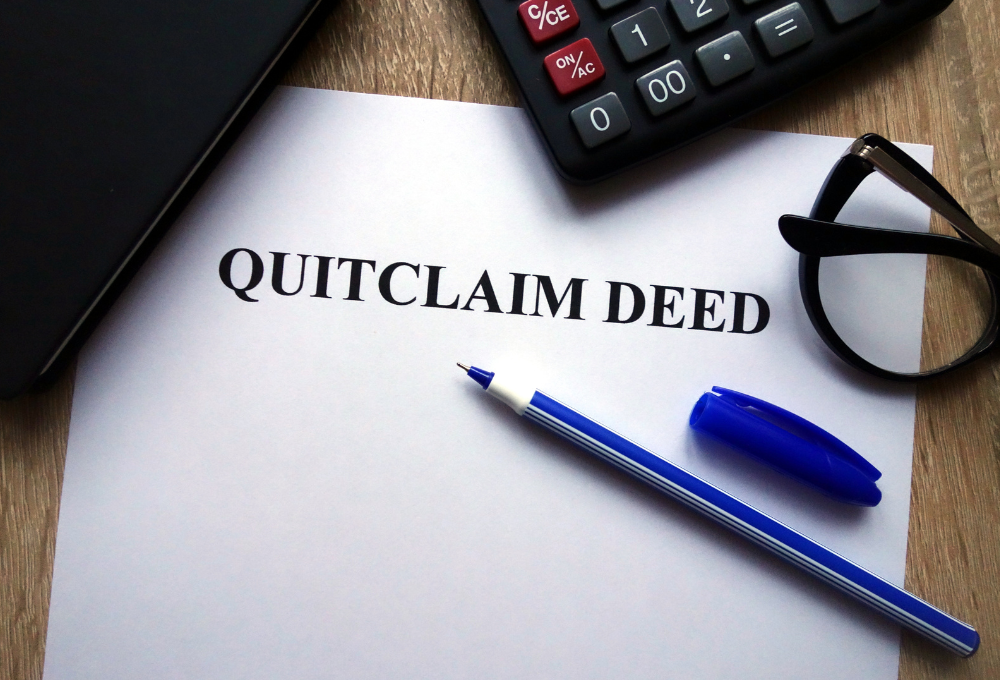
A quitclaim deed transfers ownership, but the lender does not change the mortgage without a full review. You remain responsible for payments, late fees, and loan performance even after giving up ownership. This creates ongoing risk because the lender still views you as a borrower tied to the loan.
Mortgage rules remain in place. Liability stays with the borrower. Missed payments still affect credit.
How Credit Damage Occurs After a Quitclaim Transfer
Many people assume that giving up ownership protects their credit, but the mortgage continues to report under their name. If the remaining occupant misses payments, your score takes the same damage. These issues also reduce your ability to qualify for future loans because debt ratios remain high.
Shared debt increases exposure. Late payments lower credit strength. Lingering liability blocks new financing.
As financial needs evolve, long-term planning often includes evaluating different refinance options and how they may apply in the future.
Why Quitclaim Deeds Fail During Divorce Planning
A quitclaim deed does not release financial responsibility during a divorce, even when both partners agree on ownership. Lenders follow strict rules, and they require full qualification before removing anyone from the loan. This difference between legal agreements and lender requirements causes stress if not addressed early.
Legal changes do not override loans. Lenders require a full review. Careful planning protects both partners.
Key Signs a Quitclaim Deed May Put You at Risk
A quitclaim deed may seem simple, but it can create financial pressures you did not expect. When you understand how these choices affect your mortgage, credit, and long-term goals, you can judge quitclaim deed risks with more confidence. Careful review helps you avoid decisions that could limit future lending or create shared liability long after ownership changes.
No Release of Liability From the Lender
A quitclaim deed does not remove your name from the mortgage, even if you no longer own the home. The lender still considers you responsible for all payments, fees, and obligations associated with the loan. This creates ongoing risk when another person controls the home, but you still hold financial liability.
Liability remains with the borrower. Missed payments still affect your credit. Long-term exposure increases financial stress.
Loss of Control Over the Home and Payments
Once you sign a quitclaim deed, you lose ownership rights, even though the loan remains in your name. You cannot control repairs, refinancing, insurance, or payment decisions, yet you carry the financial weight if anything goes wrong. This imbalance leads many homeowners to face damage they cannot prevent.
Control shifts to another person. Financial responsibility stays with you. Risk grows when payments fall behind.
Misunderstanding Legal vs. Financial Responsibility
Many people confuse title changes with loan changes, but the two are separate. A quitclaim deed affects ownership only, while the mortgage follows strict lender rules. This misunderstanding causes homeowners to believe they are safe when they remain fully exposed.
Title rules change ownership. Mortgage rules control liability. A clear understanding protects your future.
Steps to Protect Yourself From Quitclaim Deed Risks
Many homeowners sign a quitclaim deed without checking its impact on their mortgage, creating long-term problems. A clear plan helps you understand each risk, review your options, and protect your financial future before making any decisions. By following these steps, you stay in control of your credit, liability, and borrowing power.
Here are the best steps to protect yourself from quitclaim deed risks before signing anything:
- Review your current mortgage terms so you understand your full responsibility, even after ownership changes
- Confirm whether refinancing is required to remove your name from the loan and separate financial liability
- Ask the lender about loan assumption rules and learn what qualification standards apply
- Study how a quitclaim deed affects your debt-to-income ratio and long-term borrowing power
- Review your credit situation to understand how shared liability may impact your score
- Discuss how a quitclaim transfer may affect future refinancing or purchasing plans
- Compare options like selling, refinancing, or buyouts to reduce long-term exposure
- Seek guidance from a lending expert who understands complex ownership changes
These steps help you protect your financial stability when dealing with quitclaim deed risks. During major life changes, property transfers may raise financial questions where divorce lending considerations become relevant.
Get Guidance Before Signing Any Property Documents
Understanding quitclaim deed risks early helps you avoid financial surprises that may follow you for years. A clear plan protects your credit, supports future loan approval, and helps you stay in control of your financial path. When you review your choices before signing anything, you reduce stress and protect your long-term goals.
If you would like expert guidance during this process, contact us to speak with a loan officer who can provide support tailored to your situation.
Protect your mortgage and make a safe decision today.